
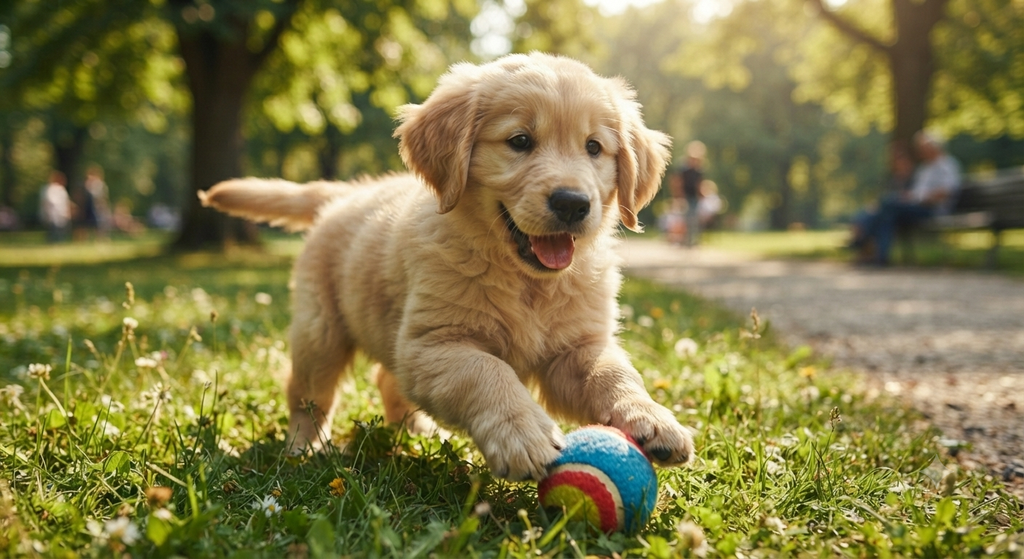
Bringing a new puppy home brings so much joy, but it also comes with a lot of questions! When and what should you feed them? When should vaccinations start? And how do you potty train them? In this section, you’ll find the most important and basic tips to care for your little furry baby, ensuring they grow up healthy and strong.
Q1. How often and what should I feed my puppy?
Ans: During the growth stage, puppies have a fast metabolism, making it a standard professional routine to feed them small meals 3 to 4 times a day. Their diet generally includes premium puppy-grade dry food or boiled chicken and rice. However, to ensure ideal weight gain and meet breed-specific requirements, you should always follow a personalized diet chart designed by a certified veterinary practitioner, as every puppy’s digestive capacity is different.
Q2. Can I give normal cow or buffalo milk to my puppy?
Ans: No. A dog’s digestive system lacks sufficient enzymes to break down lactose, so giving them normal milk can cause severe gastrointestinal distress (loose motions). Fresh, filtered water is always the best choice for hydration. If a puppy is not on mother’s milk, medical standards dictate that only a certified vet-prescribed “Pet Milk Replacer” is considered safe and approved for their health.
Q3. When should a puppy’s vaccination schedule start?
Ans: A puppy’s core vaccination schedule typically begins 45 days after birth to protect them from critical and deadly infections like Parvo and Rabies. This entire immunization schedule must be completed under the supervision of a registered veterinary expert based on their specific checkup and scheduled dates so that there are no gaps in the puppy’s immunity.
Q4. Why does my puppy chew on household items (sofas, shoes, hands) and how do I stop it?
Ans: Between 3 to 7 months of age, puppies go through a teething phase where their new teeth emerge, causing discomfort and itching in their gums. They chew on things to relieve this restlessness. To control this behavior, they should be provided with safe rubber or nylon chew toys. If the puppy continues to chew on unusual objects like dirt or walls even after being given toys, it could indicate a nutritional deficiency. In such cases, a blood checkup at a clinic and calcium supplements prescribed by an expert are required.
Q5. What is the fastest and right way to potty train a puppy?
Ans: Puppies have small bladders, so taking them to a fixed spot 15-20 minutes after eating or sleeping is a highly successful and professional training method. Always reward and praise them with a treat when they use the correct spot. However, if the puppy frequently urinates around the house without any pattern or seems to be in pain while passing stool/urine, do not dismiss it as a behavioral issue; consult a veterinary expert immediately to check for a urinary tract infection (UTI).
Q6. When and why should a small puppy be given deworming medicine?
Ans: Intestinal worms are very common in puppies and can cause a bloated stomach and stunted growth. According to standard medical routines, puppies should be given a deworming syrup every 15 to 30 days initially. Because the dosage of deworming medicine depends strictly on the puppy’s exact body weight, never buy random syrups directly from a medical shop. Always get the correct weight measurement and dosage prescription from a registered vet’s clinic.
Q7: How to care for a puppy during Kolkata’s changing seasons (Summer, Monsoon, Winter)?
Ans: Keep fresh, cool water accessible at all times during summers to prevent dehydration. Take extra care during Monsoons—never take your puppy to wet or waterlogged streets until all vaccinations are complete, as deadly viruses like Parvo spread rapidly. In winter, protect them from cold drafts.

As your dog grows older, their needs change too. How many times a day should an adult dog be fed? How much exercise do they need daily? And what should you do if they suddenly stop eating? In this section, we will cover all the essential answers regarding an adult dog’s health, diet, and behavior.
Q1. How many times a day should an adult dog be fed?
Ans: After 1 year of age, a dog’s growth rate stabilizes, so it is recommended to feed them a balanced adult formula food only 2 times a day (morning and evening). Since the risk of obesity increases at this stage, the exact calorie intake should always be determined after a weight checkup at a clinic, keeping the pet’s daily activity levels in mind.
Q2. How much exercise or walking does an adult dog need daily?
Ans: For mental and physical fitness, taking an adult dog for two short walks of 20-30 minutes daily is an ideal habit for proper behavior management. However, during extreme weather conditions, the timing and intensity of the walks should always be adapted based on medical advice and the pet’s specific health condition.
Q3. What is the correct way to bathe a dog at home?
Ans: To maintain the skin’s natural moisture, adult dogs should not be bathed more than 1 or 2 times a month. Always use a professional dog shampoo with a balanced pH level. If your pet has an existing skin allergy or is suffering from severe hair fall, it is best to get a clinical examination rather than trying out random commercial products.
Q4. Why is my adult dog shedding so much hair and what is the treatment?
Ans: Shedding (losing old fur) twice a year is a completely natural process for dogs and can be managed with regular brushing. However, if your dog is shedding heavily throughout the year, has red spots on the skin, or is constantly scratching itself, it could be a sign of a severe fungal infection or tick fever. In such cases, avoid home remedies or anti-hairfall shampoos and visit a clinic for a professional skin scraping test.
Q5. Can I feed my adult dog leftover human food (Roti, sweets, rice)?
Ans: Feeding adult dogs plain boiled rice and unseasoned (no salt/spices) chicken or paneer is perfectly fine for their health. However, many ingredients used in human food—such as onions, garlic, chocolate, and sugar—are highly toxic to dogs. If your dog accidentally consumes any of these toxic items and shows symptoms like vomiting or lethargy, do not waste time searching for cures on the internet; contact an emergency veterinary treatment facility immediately.
Q6. Why does an adult dog suddenly stop eating (loss of appetite)?
Ans: It is normal for dogs to occasionally skip a single meal due to weather changes or minor mood swings. However, if your adult dog refuses food or water for more than 24 hours and appears completely lethargic, it could be an early symptom of an underlying illness or infection. In this situation, standard medical protocol requires getting a proper checkup from a vet rather than self-medicating them with digestive medicines.
Q7: How to keep an adult dog healthy in Kolkata’s humid and hot weather?
Ans: To prevent heatstroke in summer, walk your dog only during the cooler hours of early morning or late evening. Additionally, Kolkata’s high humidity and wet monsoon roads lead to ticks, fleas, and fungal infections, so always wipe your dog’s paws with a dry cloth after every walk.
🐾 Looking to Buy, Adopt, or List a Dog in Kolkata?
If you have a healthy puppy or dog you want to find a new home for, or if you’re looking to adopt a new pet, visit Zupet.net today and list your pet for free!
- Disclaimer: All the information provided in this blog is for general knowledge and educational purposes only. It is not a substitute for professional veterinary advice. Always consult a certified veterinarian before making any major changes to your pet’s diet, health, or vaccination schedule.