
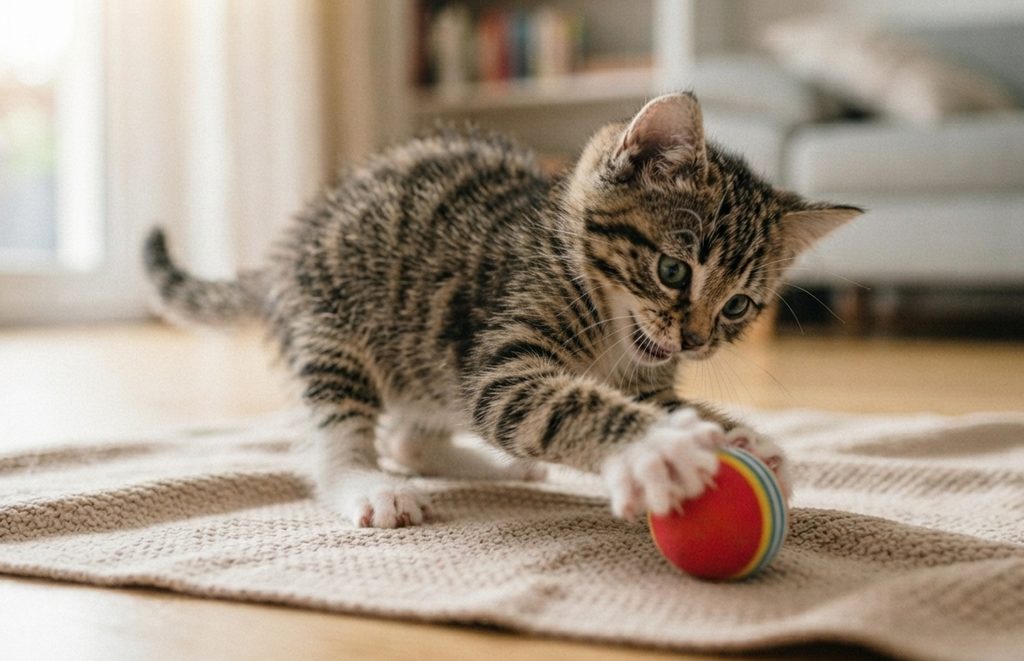
Bringing a new kitten home is full of joy, but ensuring they get the right start in life is just as important. How many times a day should they be fed? Is regular milk safe for them? How do you litter train them, and when should they get vaccinated? In this section, you’ll find clear answers about your kitten’s diet, training, and healthcare to ensure they stay healthy right from the start
Q1. How often and what should I feed my kitten?
Ans: During the growth stage, a kitten’s stomach is very small but they require a lot of energy, making it a standard professional routine to feed them small meals 4 to 5 times a day. Their diet typically includes premium kitten-grade wet food (gravy) or dry kibbles. However, to avoid digestive issues and ensure proper nutrition based on exact weight and breed, you should always follow a diet chart prescribed by a certified veterinary practitioner.
Q2. Can I give normal cow’s milk to a young kitten?
Ans: Absolutely not. Cats are naturally lactose intolerant. Feeding normal milk to young kittens can cause severe vomiting and loose motions, which can be fatal (life-threatening) for them. If a kitten is not on mother’s milk, medical standards dictate that they should only be given a special “Cat Milk Replacer” (CMR) approved by a certified vet clinic.
Q3. How do I litter train a kitten?
Ans: Cats are naturally very clean animals. Placing a kitten in a clean litter box 10-15 minutes after they eat is a highly successful habit for behavioral training. However, if the kitten frequently urinates outside the litter box or struggles to pass stool, do not dismiss it as a simple behavioral problem; have them checked by a veterinary expert immediately to rule out a urinary tract blockage.
Q4. When should a kitten’s vaccination and deworming schedule start?
Ans: To protect kittens from deadly feline viruses, standard medical routines recommend starting their vaccinations and a weight-based deworming cycle between 6 to 8 weeks of age. This entire immunization process must be managed under the supervision of a registered veterinary expert according to their specific clinical checkup and strict scheduled dates.
Q5. Why does my kitten scratch and bite my hands and feet so much?
Ans: Between 3 to 4 months of age, kittens develop new teeth and claws, which triggers their hunting instincts and causes itching in their gums. To prevent them from scratching you, they should be provided with scratching posts and cat toys. If the kitten’s behavior changes suddenly or they show extreme irritability despite having toys, getting a clinical examination at a vet clinic is the expert-recommended approach.
Q6. Is it necessary to bathe a young kitten?
Ans: Cats keep themselves clean by licking their fur, so kittens do not need frequent baths. If they get dirty, wiping them down with safe pet wet wipes is considered best. Human soaps or shampoos can be highly toxic to them. If the kitten has fleas or a skin infection, avoid bathing them yourself and use a safe medical treatment prescribed by a vet instead.
Q7: How to care for kittens during Kolkata’s changing seasons (Summer, Monsoon, Winter)?
Ans: Keep their bedding dry during the humid Summer and Monsoon months to prevent fungal infections. In Winter, protect them from cold drafts and let them get mild sunlight, as young kittens cannot maintain their own body temperature.

The health, diet, and behavior of adult cats are completely different from those of young kittens. How many times a day should an adult cat be fed? How do you manage their shedding hair (hairballs) and growing nails (claws)? If a cat suddenly stops eating, or if they stay strictly indoors, are vaccinations still necessary? In this section, you will find the exact answers to these and other essential questions regarding adult cat healthcare and their daily life.
Q1. How many times a day should an adult cat be fed?
Ans: After 1 year of age, cats enter the adult stage, where it is standard practice to feed them a balanced adult formula food (a mix of dry and wet food) only 2 to 3 times a day. Obesity and kidney issues are very common in adult cats, which is why their exact calorie intake should always be determined through regular clinic checkups and medical advice.
Q2. My cat sheds a lot of hair (Hairballs), what is the solution?
Ans: Cats swallow their own loose fur while grooming themselves, which forms “hairballs” in their stomach. To prevent this, it is necessary to brush them 2-3 times a week with a professional cat brush. However, if your cat is frequently vomiting hairballs, has a tense stomach, or shows bald patches on the skin, avoid home remedies and visit a clinic for a professional skin scraping test immediately.
Q3. Can I feed my adult cat leftover human food (Roti, milk, rice)?
Ans: Cats are obligate carnivores, meaning they get their essential nutrition strictly from meat. Leftover human foods like roti, sweets, or items cooked with spices, onions, and garlic can damage their liver and digestive system. If your cat accidentally consumes any toxic food item and becomes lethargic, do not waste time searching for treatments on the internet; contact an emergency veterinary facility right away.
Q4. Why does an adult cat suddenly stop eating?
Ans: Cats are highly sensitive creatures, and their mood can change due to a shift in weather or changes in the household environment. However, if your adult cat refuses food or water for more than 24 hours, it could be an early symptom of a serious liver or kidney issue. Following standard medical protocols, getting a proper diagnostic checkup from a vet is the only correct decision in this situation.
Q5. How should I manage an adult cat’s long claws?
Ans: Cats scratch furniture or walls to keep their claws sharp, so keeping a scratching post at home is an ideal way to manage this natural behavior. Trimming a cat’s nails requires extreme caution. If you are unfamiliar with the process, do not attempt it yourself; take them to a professional pet groomer or vet clinic to avoid cutting the quick, which causes severe bleeding.
Q6. Do indoor cats (who never go outside) still need vaccinations?
Ans: Yes, absolutely. Even indoor cats can contract deadly airborne viruses or pathogens carried inside on your clothes and shoes. Therefore, getting their annual booster vaccines is a standard professional routine. Which vaccine your cat needs and when should always be decided based on a prescription from a registered veterinary expert.
Q7: How to keep adult cats healthy in every season of Kolkata?
Ans: Give them wet food during Summers to prevent dehydration and kidney issues. In Monsoon, use pet-safe treatments as ticks and fleas increase, and during Winters, provide a warm bed or blanket instead of letting them sleep on cold tiled floors.
🐾 Looking to Buy, Adopt, or List a Cat in Kolkata?
If you have a cute kitten or cat you want to find a new home for, or if you’re looking to adopt a cat in Kolkata, visit Zupet.net today and list your pet for free!
- Disclaimer: All the information provided in this blog is for general knowledge and educational purposes only. It is not a substitute for professional veterinary advice. Always consult a certified veterinarian before making any major changes to your pet’s diet, health, or vaccination schedule.